
Discover The Bible
Where Did The Bible Come From?
The Bible has an amazing history, surviving wars, disasters, language changes and culture shifts to reach us today. Here’s the remarkable story of how it came to be.
From Spoken Word To Page
Passed Down Through The Ages
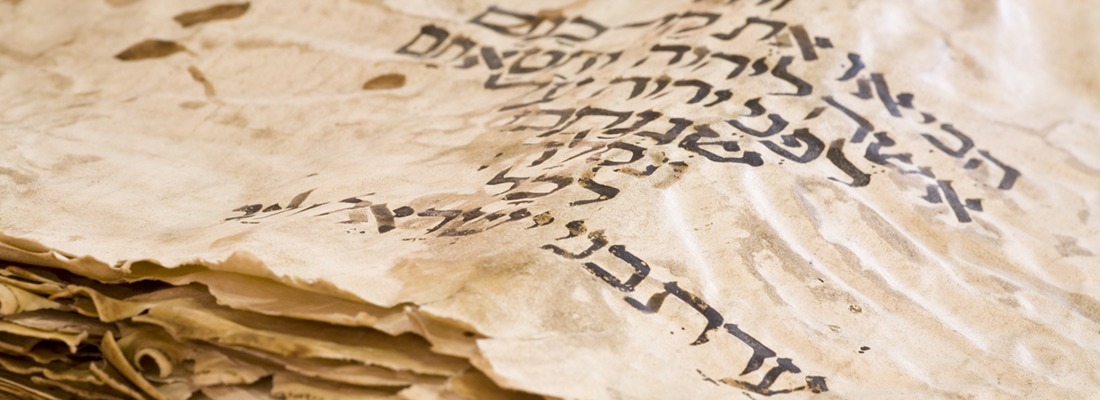
In ancient times, the stories of God were passed down through generations by word of mouth. It’s not known who first recorded these stories, but it could have been as early as 1,400 BC. The recording of all the books in the Old Testament took hundreds of years. Once they were all written down, the process of collecting them all together probably began around 400 BC.
Different Christian communities have, through history, come to different decisions about which books belong in the Old Testament. They have all accepted the 39 books that form the Hebrew Bible of the Jewish people. Catholic Christians also use an additional seven books, plus some extra material in the books of Daniel and Esther. Orthodox Christians accept ten or more additional books as well.
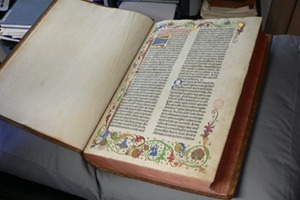
The printing press eventually made the Bible more accessible to all. This is a copy of the Guttenberg Bible, one of the first books ever printed.
A Journey Through Time
Key Moments In The Bible’s History
Old Testament REcording Start
The earliest recording of God’s stories may have begun, the writing of the Old Testament would go on to span hundreds of years.
Collecting Old Testament Books
The process of collecting the Old Testament books together into one body of Scripture probably began.
Paul Began Writing
Paul began writing possibly as early as 20 years after Jesus’ death; the rest of the New Testament, Gospels and letters, was written in this period.
Listing of the New Testament
Bishop Athanasius was the first to list the 27 New Testament books we use today; the list was confirmed at the Church Council of Carthage in 397 AD.
First English Version
John Wycliffe made the first English translation of the whole Bible around 1380; in 1526 William Tyndale produced the first printed English New Testament.
Te Reo Translation
Missionaries arriving from 1814 translated the Bible into te reo Māori, the first Māori New Testament was printed at Paihia in 1837, and the first full Māori Bible in 1868.
When it comes to the New Testament, the majority of Christians agree it contains 27 books. The first century AD saw the beginnings of a collection of Christian Scriptures, accounts of the life of Jesus, and letters. Early in the second century these became known as ‘Gospel and Apostle’, echoing the Old Testament’s ‘Law and Prophets’.
The invention of the printing press eventually made the Bible far more accessible to all, the Gutenberg Bible was one of the very first books ever printed, and since then the Bible has become the most translated and widely read book in history.
The Work Continues
542
Languages with a full Bible, of 6,901 worldwide
1,897
Languages with the New Testament
500M
People still without Scripture in their language
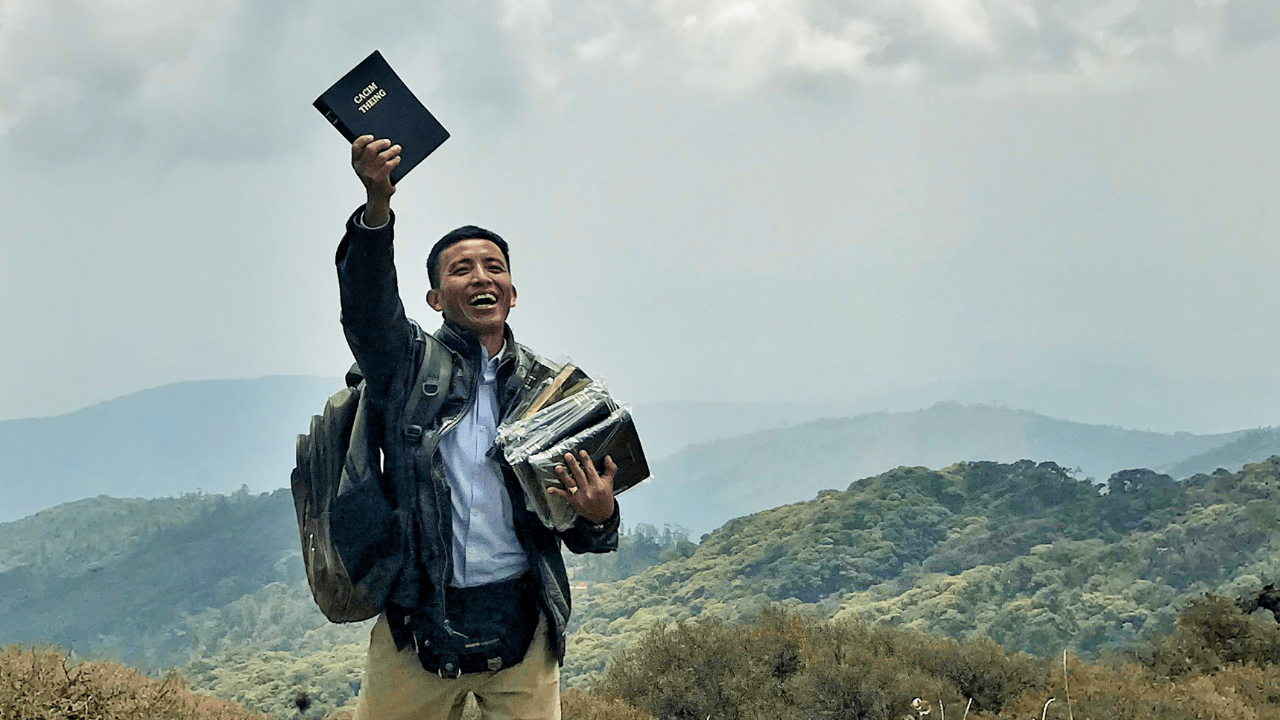
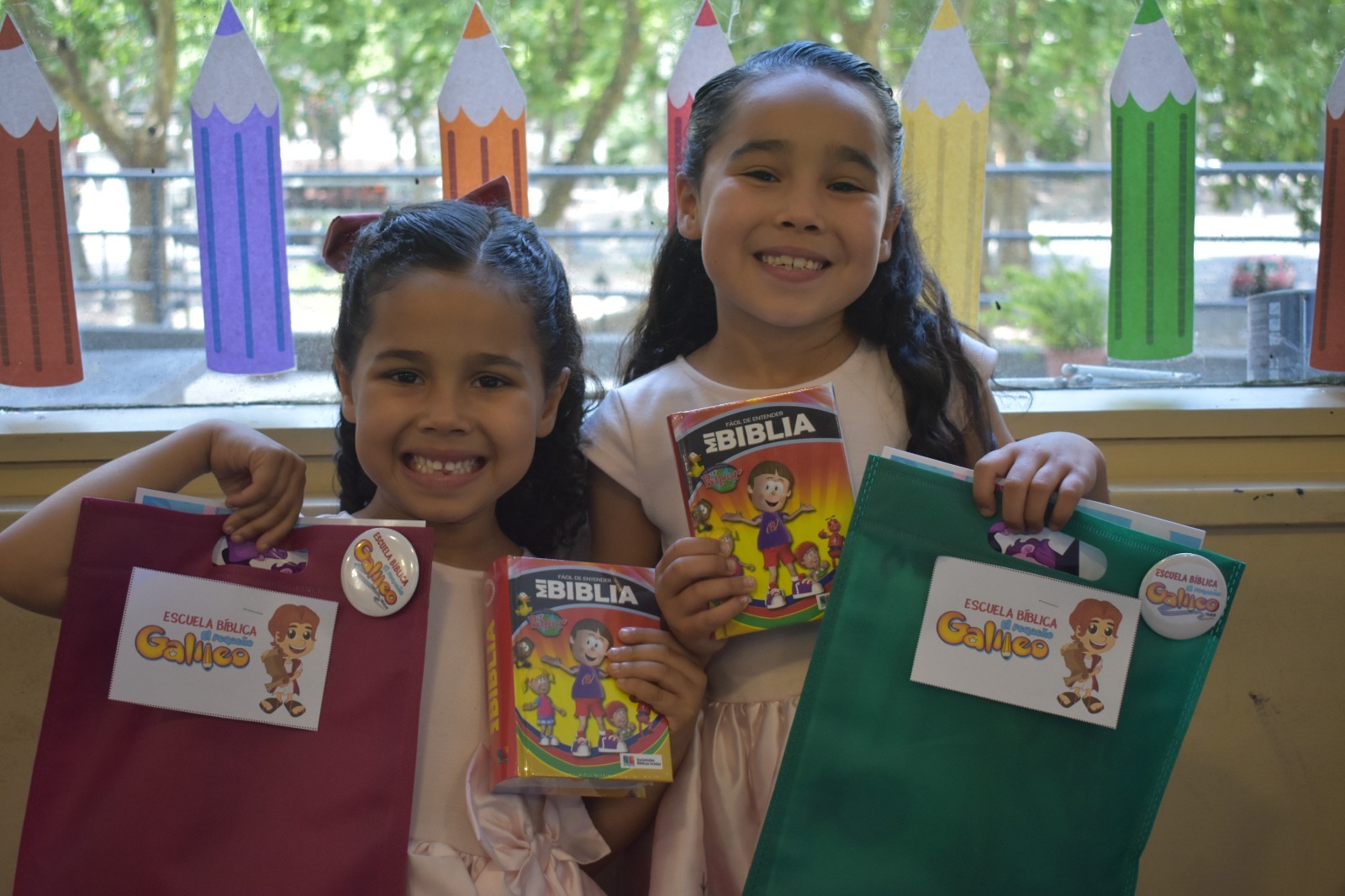
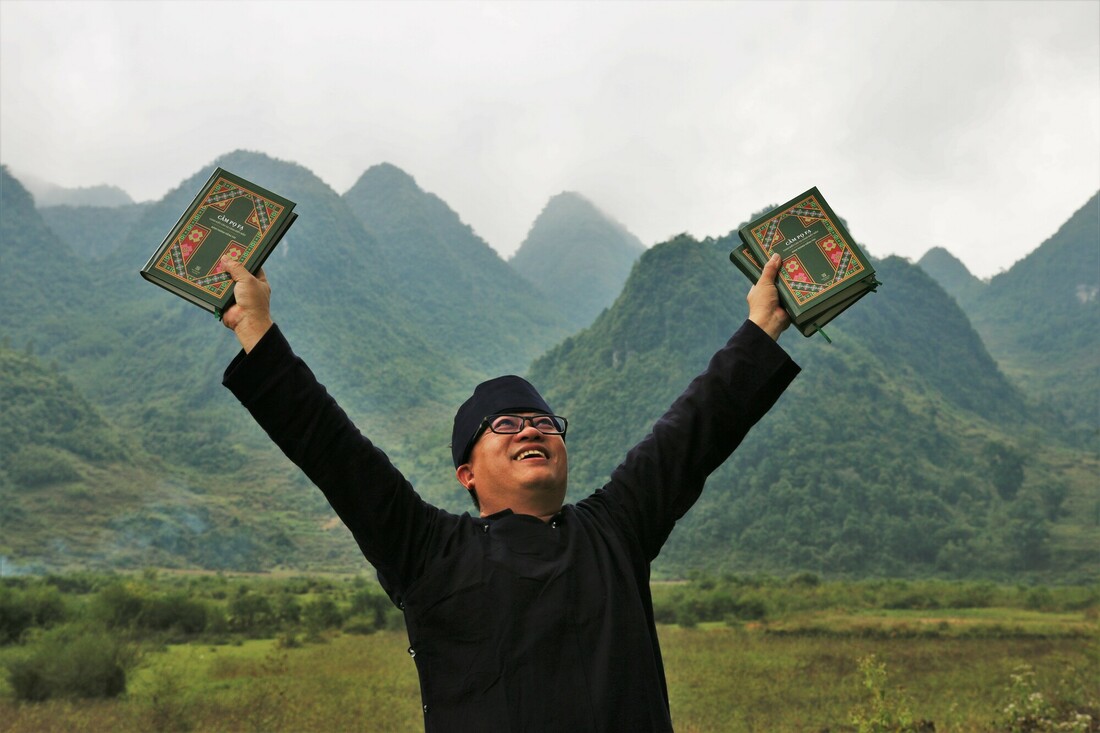
Bible Societies around the world are working hard to change this, so that everyone, everywhere, can read God’s Word in the language of their heart.
resource library

Explore Our New Resource Library, Made For You, Your Family, Your Ministry
Log in anytime, anywhere and access all the resources we create for you, your family and your ministry. Get started by creating your free account.