
Bible Society New Zealand

Get Involved

Ways To Give

Bible Projects

Resources

Shop With Manna

About Us

Get Involved

Affinity Bibles

Personalised Scripture for your community

Book a Speaker

Invite one of our speakers to your church or event

Volunteer For Us

Give your time to the mission

Pray With Us

Stand with us in prayer for others

Featured

Partner With The Mission

Ways To Give

Bible a Month

Regular giving that places Bibles monhtly

A Gift In Your Will

Leave a lasting legacy of Scripture in your will

Donate

Make on one-off gift today

Nevelle's Lasting Legacy

A story of generocity that endures

Featured

Launch a Global Mission

Bible Projects

Appeals

Current campaigns you can back today

Bible Translation

A Vision to complete 1,200 Bible Translations by 2038

New Zealand Translations

Current campaigns you can back today

Global Translations

A Vision to complete 1,200 Bible Translations by 2038

Featured

The Bible Translation Roadmap

Resources

Ministry Resources

Regular giving that places Bibles monhtly

Audio Bibles

Leave a lasting legacy of Scripture in your will

Little Believers

Make on one-off gift today

Online Courses

A story of generocity that endures

Quick Links

What Is The Bible

52 Week Reading Plan

Where Did The Bible Come From

Wild Bible Animations

Featured

Resources for all ages

About us

Contact

Get in touch with our team

Come Work For Us

Join the mission - current roles

Our People

The faces behind Bible Society NZ

Email

info@biblesociety.org.nz

Featured

Meet the team behind the mission

BAMRG logo thicker

YOUR MONTHLY MEMBER’S REPORT JULY 2025

Uruguay

 In pre-colonial times, Uruguay was inhabited by the Charrua people. In the 17th century, a period of Spanish colonisation began. In 1828, Uruguay gained independence after a struggle between Spanish, Portuguese, Brazilian, and Argentine forces. In the 20th century, Uruguay became known for its strong welfare state, secularism, and political stability.

Christianity arrived with the Spanish, and Roman Catholicism became the dominant religion. However, Uruguay developed a strong separation between church and state— formalised in the 1917 constitution— and became one of the most secular nations in Latin America. Today, while about half the population identifies as Christian, religious observance is low, and many people identify as non-religious or spiritual.

Around nine per cent of the population is living in poverty. In the more impoverished areas, many families cannot afford to feed their children, relying on daily meals that are provided by state schools. Many children drop out before completing primary school. The Bible Society of Urugay is supporting Sunday schools that are helping to provide for the spiritual and nutritional needs of children living in impoverished areas. The churches are in some of the most impoverished areas around Montevideo and also in rural areas.

Bible Society provides churches with Scriptures and chocolate milk powder fortified with vitamins so churches can run activity groups and provide morning teas for children.

The Scriptures are colouring-in books entitled, ‘Life of Jesus’, and children’s study Bibles entitled, ‘Bible Explained. It’s time to learn the Bible’.

Your gift to Bible a Month Regular Giving will help to support the Breakfast with Jesus project this month.

View the PDF version of your Member’s Report here.

Prayer Points for Uruguay

Pray that through the Breakfast with Jesus project, 10,000 children will come to know Jesus Christ as their Lord and Saviour over the next five years.

Pray for revival in Uruguay as it has one of the highest rates of secularism among Latin America countries, and very liberal social laws.

Pray that Uruguay’s many nominal Catholics (only two per cent attend church) will find their identity in Jesus Christ and turn to Him.

 Give thanks that since the 1990s the number of evangelicals has increased and pray that thousands of new believers might be discipled effectively.

Pray more with us here.

FURTHER BIBLE MISSION PROJECTS
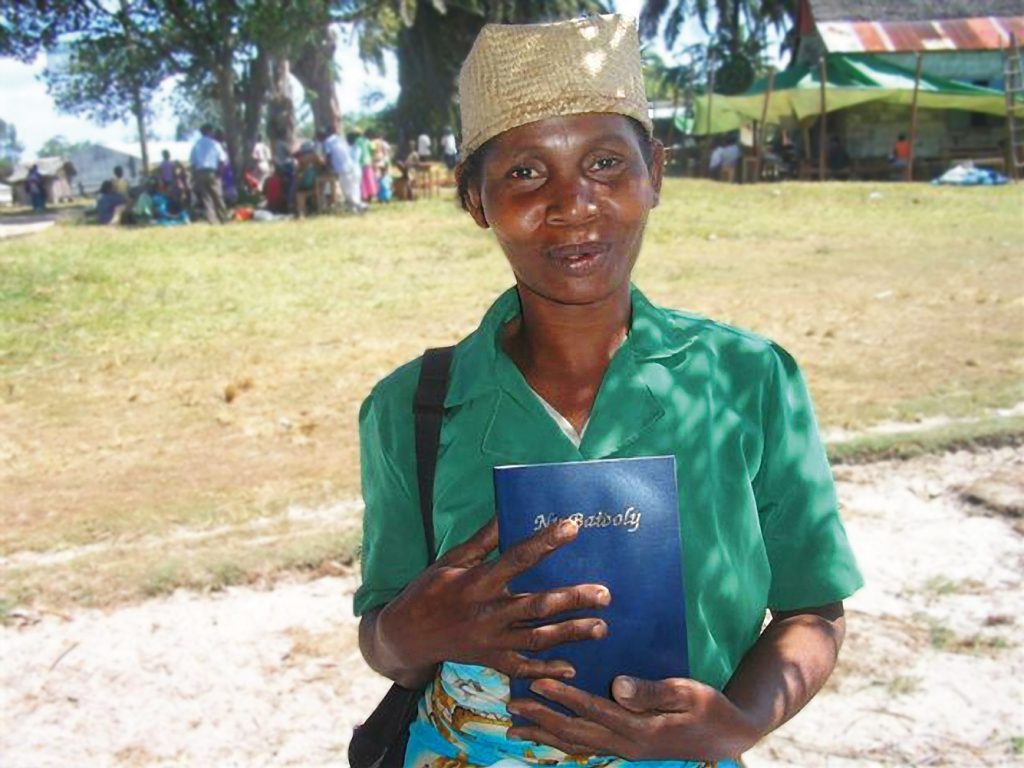
MADAGASCAR

Madagascar, an island off Africa’s southeast coast, was first settled by Austronesian and later Bantu peoples. It developed powerful kingdoms, notably the Merina Kingdom in the 19th century, which unified much of the island. In 1896, France colonised Madagascar, ruling until independence in 1960. Christianity arrived in the early 1800s through British missionaries. Queen Ranavalona I later persecuted Christians, but faith endured and spread.

Today, Christianity is the dominant religion, with 74 per cent of the population identifying as Christian. However, traditional beliefs remain influential, often blending with Christian practices across the island’s diverse population. The Malagasy Bible Society is producing a Malagasy Study Bible, running literacy classes, and providing audio Bibles for people with low literacy levels.

Bible Mission - Mozambique

MOZAMBIQUE

Mozambique was inhabited by Bantu-speaking peoples before becoming a Portuguese colony in the 16th century. It remained under Portuguese control for centuries, gaining independence in 1975 after a long liberation struggle which was led by Frelimo, a political movement that initiated independence. A brutal civil war followed, lasting until 1992.

Christianity was introduced by Portuguese missionaries, with Roman Catholicism becoming dominant. Protestant missions arrived later and grew steadily. Today, Christianity is the majority religion, with 60 per cent of the population identifying as Christian. However, there is a great need for training and discipleship. The Bible Society of Mozambique is working to translate the Bible into local languages including Cibalke, Marenje, Ciwute, and Echuwabo.

Bible Mission - Romania

ROMANIA

Romania has roots in the ancient Dacian kingdom, which was conquered by Rome in 106 AD. Over centuries, the region was also shaped by Byzantine, Ottoman, and Austro-Hungarian influences. Christianity reached Hungary in the 9th century. In 1,000 AD King Stephen I declared Christianity the official religion of the country.

Modern Romania was formed in the 19th century and became a kingdom in 1881. After World War II, it fell under communist rule until the 1989 revolution. Despite communist suppression, faith persisted. Today, 95 per cent of Romanians identify as Christian, especially the Romanian Orthodox denomination.

The Interconfessional Bible Society in Romania is distributing Bibles for children, youth, the elderly, the sick, and in schools.

Bible Mission - Slovakia

SLOVAKIA

Slovakia was once part of the Great Moravian Empire, where Christianity was introduced by Saints Cyril and Methodius in the 9th century. After the empire’s fall, it became part of the Kingdom of Hungary for nearly a thousand years. In 1918, Slovakia joined with the Czech lands to form Czechoslovakia. Following World War II and decades of communist rule, Slovakia left the Czech Republic in 1993 in a peaceful settlement known as the “Velvet Divorce.”

Today, 67 per cent of Slovakians identify as Christian. However, there is increasing nominalism and diminishing church attendance. The Slovak Bible Society is working to translate Bible portions into Slovak Sign Language to give the Deaf community access to Scripture.
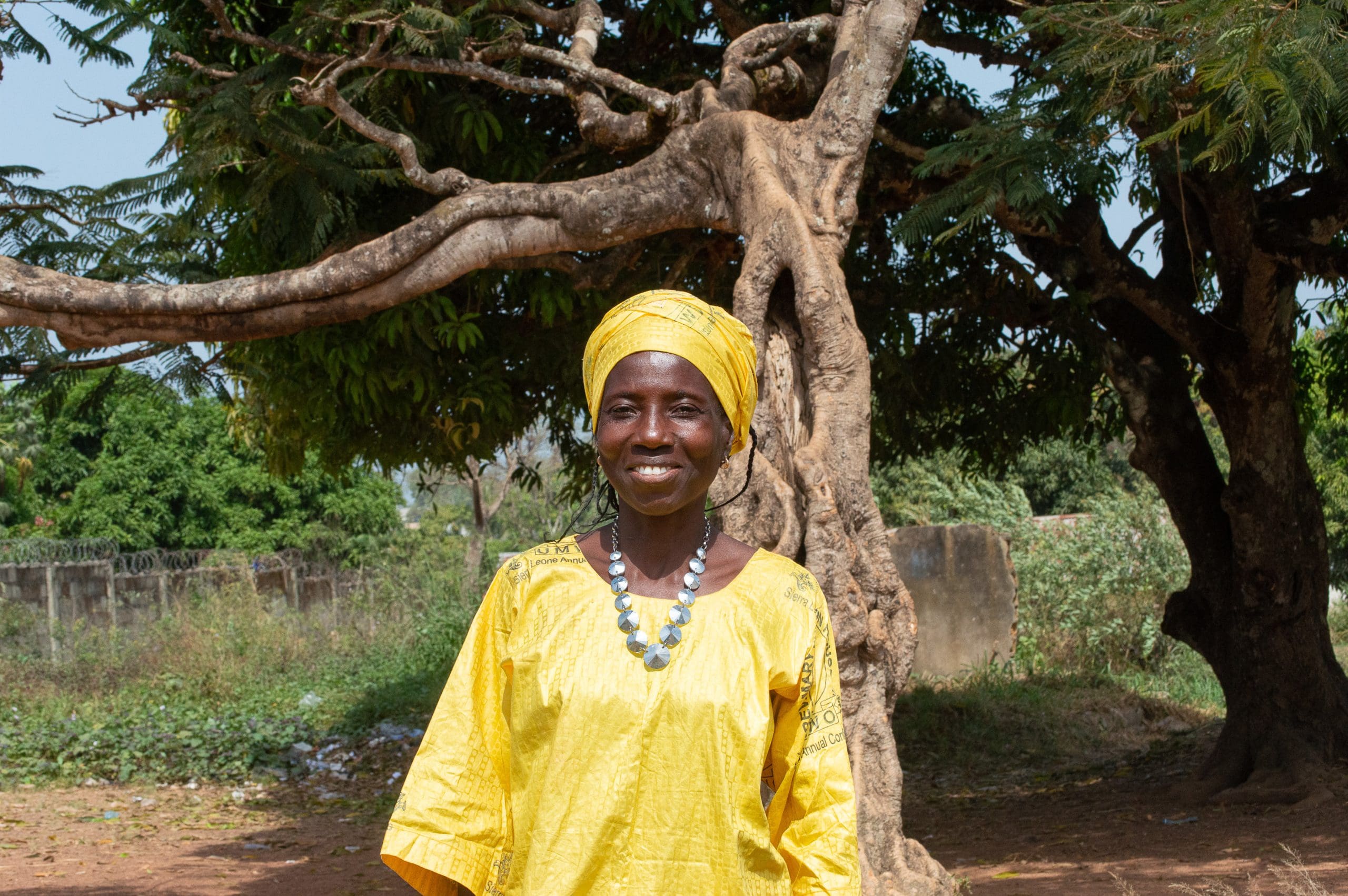
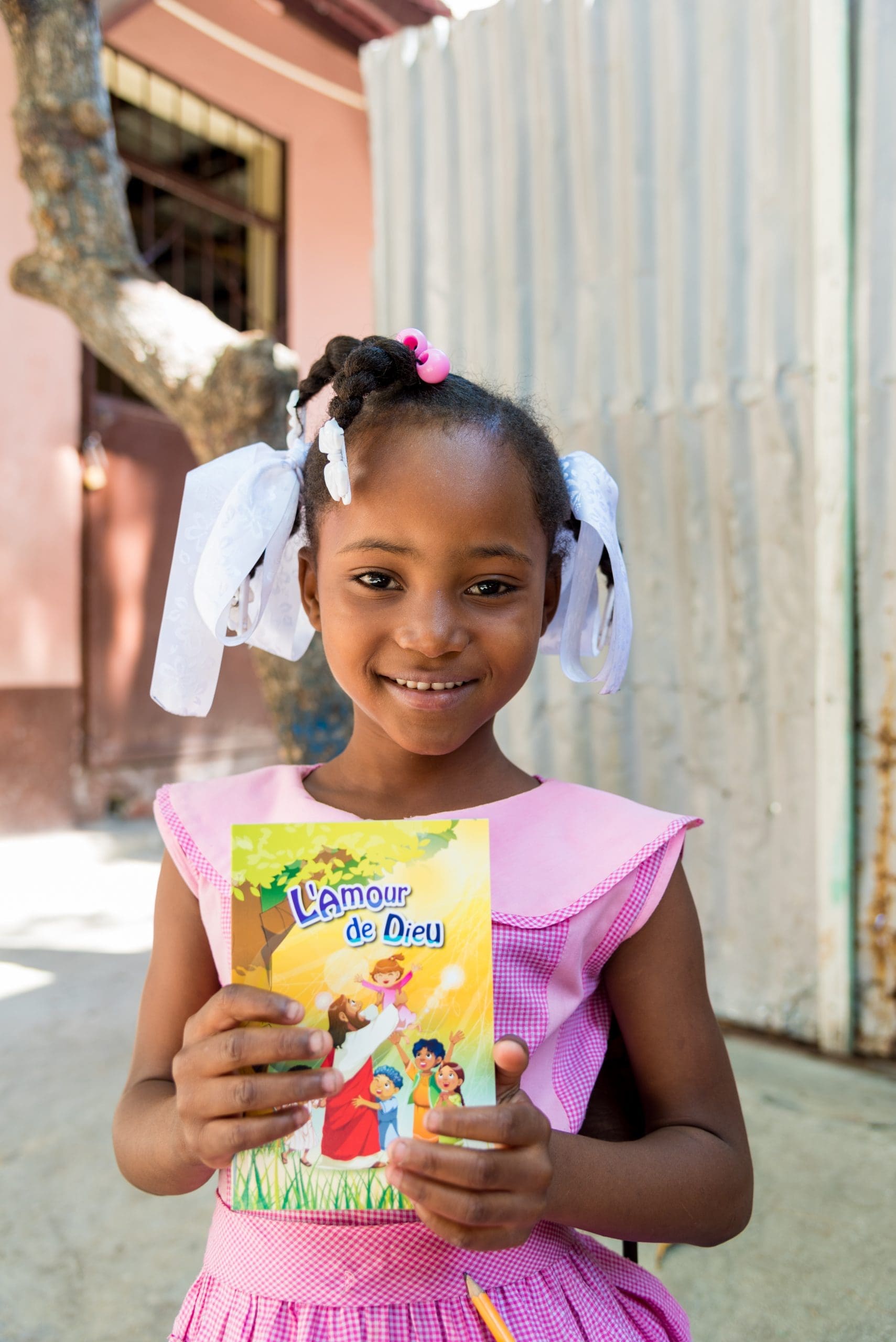
MADAGASCAR

Madagascar, an island off Africa’s southeast coast, was first settled by Austronesian and later Bantu peoples. It developed powerful kingdoms, notably the Merina Kingdom in the 19th century, which unified much of the island. In 1896, France colonised Madagascar, ruling until independence in 1960. Christianity arrived in the early 1800s through British missionaries. Queen Ranavalona I later persecuted Christians, but faith endured and spread.

Today, Christianity is the dominant religion, with 74 per cent of the population identifying as Christian. However, traditional beliefs remain influential, often blending with Christian practices across the island’s diverse population. The Malagasy Bible Society is producing a Malagasy Study Bible, running literacy classes, and providing audio Bibles for people with low literacy levels.

Bible Mission - Mozambique

MOZAMBIQUE

Mozambique was inhabited by Bantu-speaking peoples before becoming a Portuguese colony in the 16th century. It remained under Portuguese control for centuries, gaining independence in 1975 after a long liberation struggle which was led by Frelimo, a political movement that initiated independence. A brutal civil war followed, lasting until 1992.

Christianity was introduced by Portuguese missionaries, with Roman Catholicism becoming dominant. Protestant missions arrived later and grew steadily. Today, Christianity is the majority religion, with 60 per cent of the population identifying as Christian. However, there is a great need for training and discipleship. The Bible Society of Mozambique is working to translate the Bible into local languages including Cibalke, Marenje, Ciwute, and Echuwabo.

Bible Mission - Romania

ROMANIA

Romania has roots in the ancient Dacian kingdom, which was conquered by Rome in 106 AD. Over centuries, the region was also shaped by Byzantine, Ottoman, and Austro-Hungarian influences. Christianity reached Hungary in the 9th century. In 1,000 AD King Stephen I declared Christianity the official religion of the country.

Modern Romania was formed in the 19th century and became a kingdom in 1881. After World War II, it fell under communist rule until the 1989 revolution. Despite communist suppression, faith persisted. Today, 95 per cent of Romanians identify as Christian, especially the Romanian Orthodox denomination.

The Interconfessional Bible Society in Romania is distributing Bibles for children, youth, the elderly, the sick, and in schools.

Bible Mission - Slovakia

SLOVAKIA

Slovakia was once part of the Great Moravian Empire, where Christianity was introduced by Saints Cyril and Methodius in the 9th century. After the empire’s fall, it became part of the Kingdom of Hungary for nearly a thousand years. In 1918, Slovakia joined with the Czech lands to form Czechoslovakia. Following World War II and decades of communist rule, Slovakia left the Czech Republic in 1993 in a peaceful settlement known as the “Velvet Divorce.”

Today, 67 per cent of Slovakians identify as Christian. However, there is increasing nominalism and diminishing church attendance. The Slovak Bible Society is working to translate Bible portions into Slovak Sign Language to give the Deaf community access to Scripture.
Right Now Media

Every Thought Captive: How Renewing Your Mind Can Change Your Life

In Every Thought Captive, you will explore a topic crucial for your spiritual growth: the battle for your mind. In Romans 12:2, we read these words: “Do not be conformed to the pattern of this world, but be transformed by the renewing of your mind.” Join pastor and bestselling author Kyle Idleman for a five-session journey where you will learn to actively and intentionally challenge your thoughts. Transform your life as you learn to take every thought captive and submit it to the truth of his Word.


WATCH NOW


Haven’t activated your free RightNow Media subscription yet? Learn more here.
ionicons-v5-i

EMPTY HANDS

BIBLE POVERTY

ionicons-v5-f

EMPTY HEARTS

BIBLE ENGAGEMENT

ionicons-v5-h

EMPTY MINDS

BIBLE LITERACY