BAMRG Members Report
BAMRG Members Report - March 2025
South Africa
South Africa was initially inhabited by Bantu-speaking tribes when in 1652, the Dutch established Cape Town as a stopover on the spice route to the Far East. In 1806, the British arrived and fought a war with the Zulus followed by the Second South Africa war between the British and Boers from 1899 to 1902. In 1948, the National Party instituted a policy of apartheid.
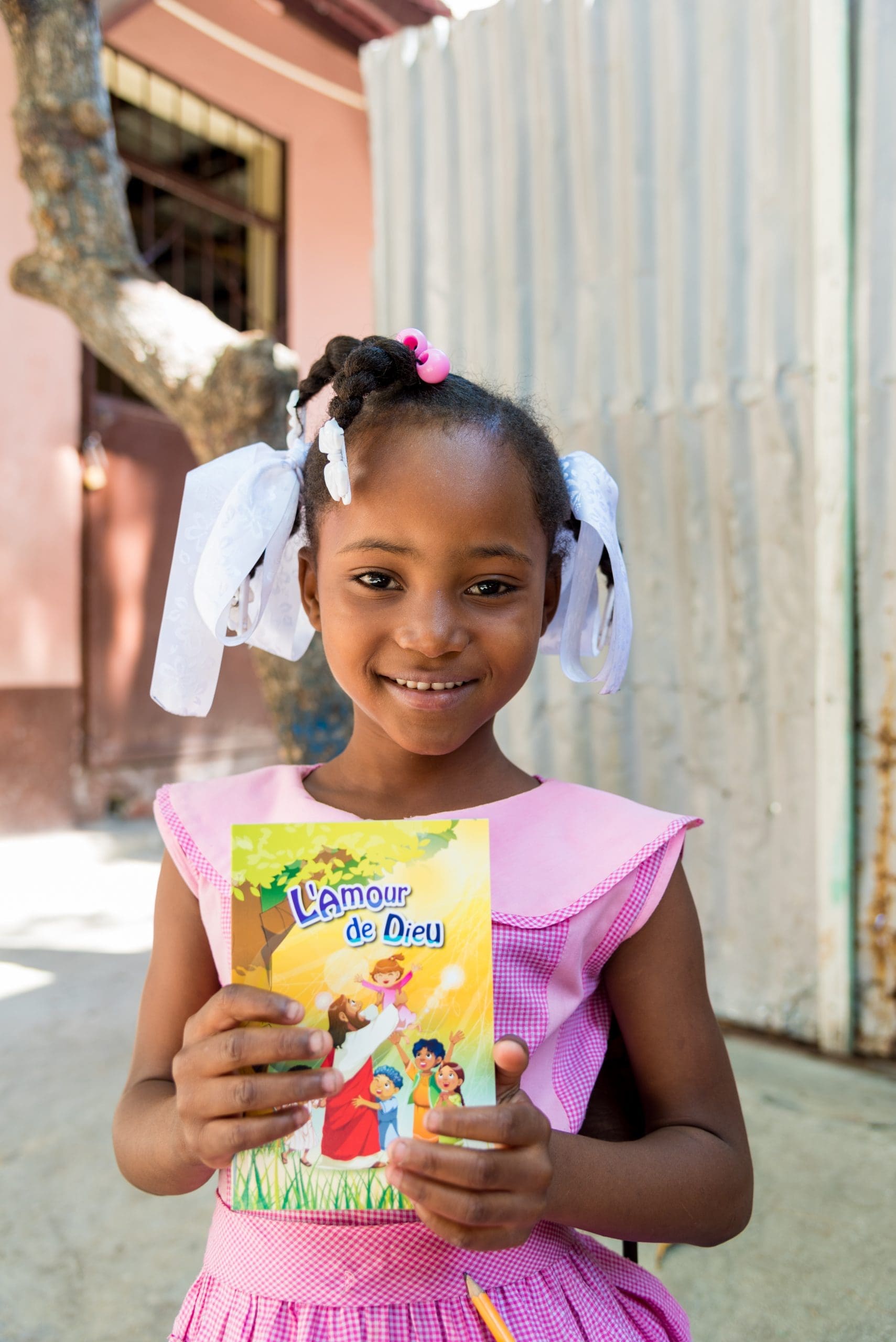
In 1994, South Africa held its first multiracial elections, leading to majority rule under the ANC. Since then, the country has faced challenges in addressing apartheid-era inequalities. The Bible Society has created a Bible-based literacy program in eleven official languages, approved by the Department of Education. This program has been successfully implemented in pre-primary and Sunday schools, benefiting over 360,000 learners.
It has also created a Scripture distribution programme to instil Christian values in Grade 7 learners (12 – 13-year-olds). In this program, students receive a Bible, and a Scripture resource booklet titled “Help! How should I read my Bible?” The goal of this program is to not only improve literacy but also to provide moral and spiritual guidance. To date, the Bible Society has reached out to 90,000 students through this program. Your contribution to the Bible a Month Regular Giving this month will play a crucial role in reaching 17,500 learners through these two impactful projects. Your support is vital in our mission to combat the literacy crisis in South Africa.
Discover more about Bible Mission in South Africa
Prayer Points for South Africa
Pray that through these two programmes-literacy and distribution-South African children will learn to read and write and will come to know Jesus Christ.
Please pray for healing from the legacy of apartheid, for reconciliation between the races and for an end to poverty and inequality.
Pray for revival in the churches as although 86 per cent of South Africans identify as Christian, nominalism is widespread.
Give thanks for the number of Christian ministries that have helped the disadvantaged, including those in prison, slum-dwellers and the impoverished.
Pray more with us here.
FURTHER BIBLE MISSION PROJECTS
Sri Lanka
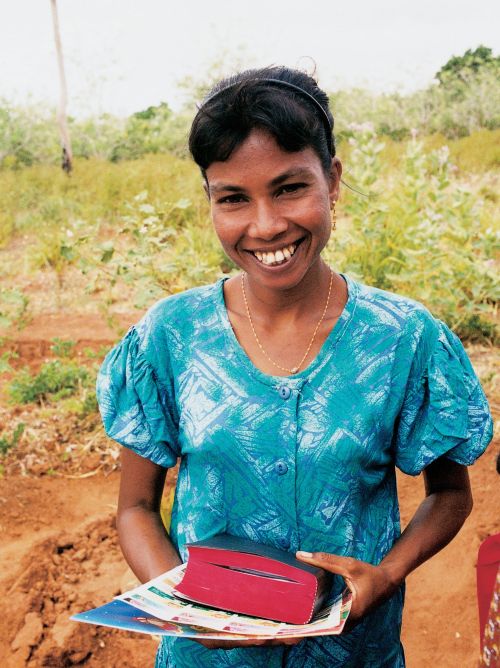
According to tradition, the Apostle Thomas was active in Sri Lanka as well as southern India during the first century. In 1505, the Portuguese reached Ceylon after which many locals converted to Catholicism. The Portuguese were followed by the Dutch and then the British, who, by 1815, ruled the entire country. In 1978, Buddhism became the country’s official religion under the constitution. Although freedom of religion is assured there have been attacks on Christians such as the Easter Sunday attacks in 2019 which saw 269 killed and 500 injured. The Ceylon Bible Society is providing a trauma healing programme, subsidised Bibles in Sinhala and Tamil, and literacy classes for children.
Japan
In 1549, Francis Xavier, a Catholic missionary, arrived in Japan. Between 1603 – 1867, the Tokugawa Shogunate ruled Japan enforcing a period of isolation from the West. In 1587 and 1612, it issued anti-Christian edicts expelling missionaries and forcing believers to either hide their faith or face martyrdom. The Christian faith in Japan went underground for 250 years until 1865, when Christians declared their faith at Nagasaki’s Ōura Church. Today, the “Hidden Christian Sites” are a UNESCO World Heritage site. In 1868, the Meiji restoration occurred, and missionaries were allowed to return. In 1947, Japan’s postwar constitution guaranteed freedom of religion. Today, the Japan Bible Society is translating the Bible into Japanese sign language.
India
In 52 AD, Christianity reached Kerala, India, brought there by Saint Thomas. There were two subsequent migrations of Christians from the Middle East to Kerala, in the 4th and the 9th centuries AD. Today, Christians make up 2.4 per cent of India’s population, about 32 million people out of 1.4 billion. Around half of Christians live in South India, and many also live in India’s more sparsely populated Northeast. The Bible Society of India is reaching out to suffering Christian widows who suffer rejection from their families after they are widowed. Through Bible engagement workshops it is providing Christian widows with the Bible along with additional support such as counselling, and food aid.
Gabon
In the 14th century, Christianity reached the area through Portuguese traders who named it Gabon. Indigenous trade networks began engaging with European traders trading ivory, wood, and slaves. However, one group, the Fang, did not engage in the slave trade. In the 17th century, the Italian Capuchin friars established Christian missions, but they were expelled by the Portuguese in 1777. From 1903 – 1960, Gabon came under French colonial rule. Today, Gabon is one of the more stable countries in Central Africa, although many of its people still live in poverty. The Bible Society in Gabon is translating the Bible into indigenous languages, including Yinzebi, Omyene, and Fang. They are also creating the first Gabonese Sign Language Bible.