
Bible Society New Zealand

Get Involved

Ways To Give

Bible Projects

Resources

Shop With Manna

About Us

Get Involved

Affinity Bibles

Personalised Scripture for your community

Book a Speaker

Invite one of our speakers to your church or event

Volunteer For Us

Give your time to the mission

Pray With Us

Stand with us in prayer for others

Featured

Partner With The Mission

Ways To Give

Bible a Month

Regular giving that places Bibles monhtly

A Gift In Your Will

Leave a lasting legacy of Scripture in your will

Donate

Make on one-off gift today

Nevelle's Lasting Legacy

A story of generocity that endures

Featured

Launch a Global Mission

Bible Projects

Appeals

Current campaigns you can back today

Bible Translation

A Vision to complete 1,200 Bible Translations by 2038

New Zealand Translations

Current campaigns you can back today

Global Translations

A Vision to complete 1,200 Bible Translations by 2038

Featured

The Bible Translation Roadmap

Resources

Ministry Resources

Regular giving that places Bibles monhtly

Audio Bibles

Leave a lasting legacy of Scripture in your will

Little Believers

Make on one-off gift today

Online Courses

A story of generocity that endures

Quick Links

What Is The Bible

52 Week Reading Plan

Where Did The Bible Come From

Wild Bible Animations

Featured

Resources for all ages

About us

Contact

Get in touch with our team

Come Work For Us

Join the mission - current roles

Our People

The faces behind Bible Society NZ

Email

info@biblesociety.org.nz

Featured

Meet the team behind the mission

BAMRG logo thicker
YOUR MONTHLY MEMBER’S REPORT September 2025

Serbia

Serbia’s history is shaped by its strategic location in the Balkans. The early Serbs settled in the region during the 6th and 7th centuries, gradually adopting Christianity under Byzantine influence. In 1219, Saint Sava, a Serbian prince and Orthodox monk, became the first Archbishop of the Serbian Orthodox Church. By the 14th century, medieval Serbia was a powerful Balkan state and a centre of Orthodox Christianity.

But in 1389, the Ottoman conquest led to centuries of foreign rule. By the 19th century, uprisings against the Ottomans led to Serbia’s gradual independence, formally recognised in 1878. The Kingdom of Serbs, Croats, and Slovenes (later Yugoslavia) was formed in 1918 after World War I, uniting South Slavs but fostering ethnic tensions.

After World War II, Josip Broz Tito ruled Yugoslavia as a communist state. Serbia, like other republics in Tito’s Yugoslavia, faced strict political repression, with dissent silenced through censorship, imprisonment, and surveillance.

He suppressed all religion although the Serbian Orthodox Church endured underground.

The violent breakup of Yugoslavia in the 1990s brought wars, sanctions, and strained inter-ethnic relations. Today, 90 per cent of Serbians identify as Christian. In southern Serbia, where many are living in poverty, the Bible Society of Serbia is implementing its Bible Engagement in the Orthodox Church project. Partnering with the Orthodox Church, it is encouraging priests to run small Bible study groups. In keeping with modern times there are also opportunities to connect via social media.

View the PDF version of your Member’s Report here.


Prayer Points for Serbia

Pray for the sustainability of the Bible Engagement project and for it to touch many lives.

Pray for revival that frees churches from empty tradition and establishes a powerful witness.

Pray for the Serbian Orthodox Church and other Christian denominations to be united in sharing God’s truth.

Lift up literacy and outreach programmes, that they may transform lives spiritually, socially, and emotionally through engagement with God’s Word.

Pray more with us here.

FURTHER BIBLE MISSION PROJECTS
Tanzania - Bible Society New Zealand

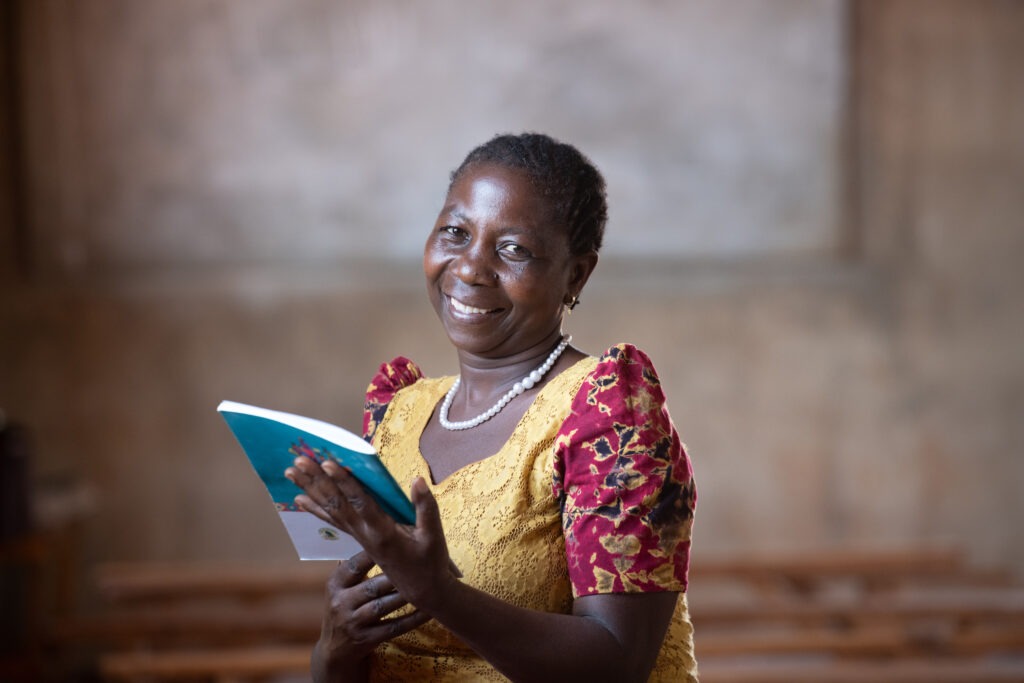
TANZANIA

Tanzania’s history reflects centuries of trade and migration. Coastal regions flourished in the Swahili trading network, linking Africa with Arabia and Asia. In the late 19th century, Germany established German East Africa, which became British-administered Tanganyika after World War I. Independence came in 1961, and in 1964 Tanganyika united with Zanzibar to form Tanzania. Christianity, introduced through European missionaries in the 19th century, grew shaping education, healthcare, and culture. Today, 63 per cent of the population identify as Christian. Poverty impacts many with one-third of people living below the poverty line surviving as subsistence farmers.

The Bible Society of Tanzania is employing faith-based stories to promote positive youth development in collaboration with churches and schools.

Senegal - Bible Society New Zealand

Senegal

Senegal has long been a crossroads of trade, culture, and migration. Ancient kingdoms such as Tekrur and Jolof thrived before European contact in the 15th century, when Portuguese, Dutch, and French traders arrived. The Atlantic slave trade profoundly shaped Senegal’s history, particularly through Gorée Island. France eventually established colonial control, making Senegal a key part of French West Africa. Independence came in 1960 under President Léopold Sédar Senghor. Christianity was brought firstly by the Portuguese, but later by French missionaries. Today, Senegal is a Muslim-majority country where only three per cent identify as Christian.

The Bible Society in Senegal is providing theological educational institutions with Hebrew and Greek texts and scholarly resources for seminarians and students.

China - Bible Society New Zealand

China

In the 20th century, China experienced a period of government upheaval beginning with the Chinese Revolution in 1911 and ending with the fall of mainland China to communism in 1949. During the Cultural Revolution (1966 – 1976), the Communist Red Guards persecuted Christians and destroyed church buildings.

In the 1980s, China lifted the ban on Christianity. In 1986, the Amity Foundation and the United Bible Societies (UBS) opened the Amity Printing Press in Nanjing. Since then, it has printed eighty-seven million Bibles for distribution Chinese Christians. Today, there are officially forty-six million Christians, but unofficially there are one hundred million Christians. The UBS China Partnership is working to bring free and subsidised Bibles to poor, rural Christians.

Algeria - Bible society New Zealand

Algeria

Christianity in Algeria dates to the Roman era, when the region was home to influential Church Fathers such as Augustine of Hippo. The faith flourished until the Arab-Muslim conquest in the 7th century, after which Christian communities were diminished. Under French colonial rule (1830–1962), Catholicism was reintroduced, with churches, schools, and missions established. After independence, most European Christians departed, leaving a small minority.

In recent decades, Christianity has begun growing again, especially among Kabyle Berbers whose ancestors had been Christians. Many Algerian seekers turn to Christian TV programmes or Christian radio.

These programmes provide the Bible Society phone number at the end. This strategy is having a positive impact on the growth of Christianity in Algeria.
Tanzania - Bible Society New Zealand

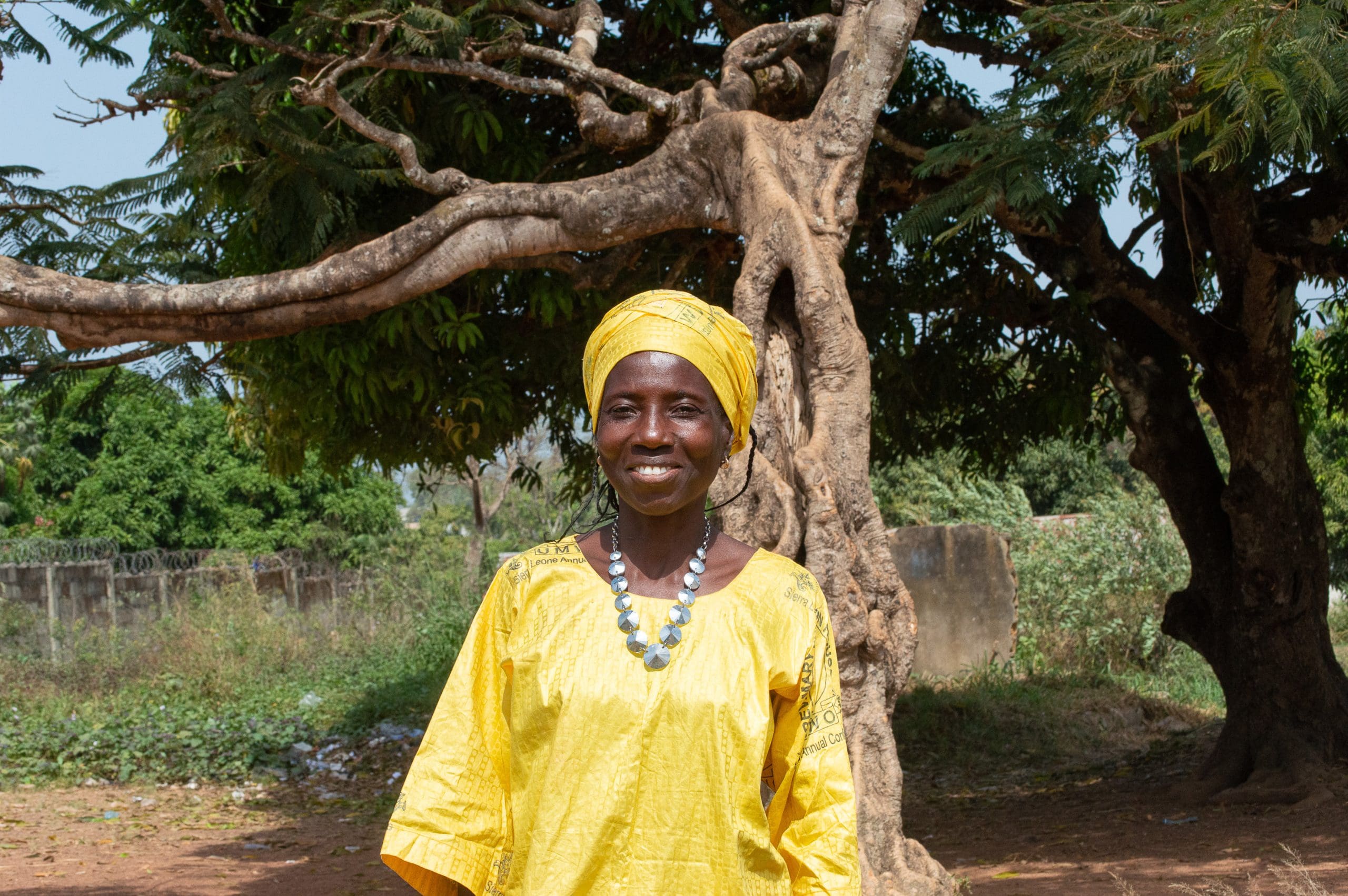
TANZANIA

Tanzania’s history reflects centuries of trade and migration. Coastal regions flourished in the Swahili trading network, linking Africa with Arabia and Asia. In the late 19th century, Germany established German East Africa, which became British-administered Tanganyika after World War I. Independence came in 1961, and in 1964 Tanganyika united with Zanzibar to form Tanzania. Christianity, introduced through European missionaries in the 19th century, grew shaping education, healthcare, and culture. Today, 63 per cent of the population identify as Christian. Poverty impacts many with one-third of people living below the poverty line surviving as subsistence farmers.

The Bible Society of Tanzania is employing faith-based stories to promote positive youth development in collaboration with churches and schools.

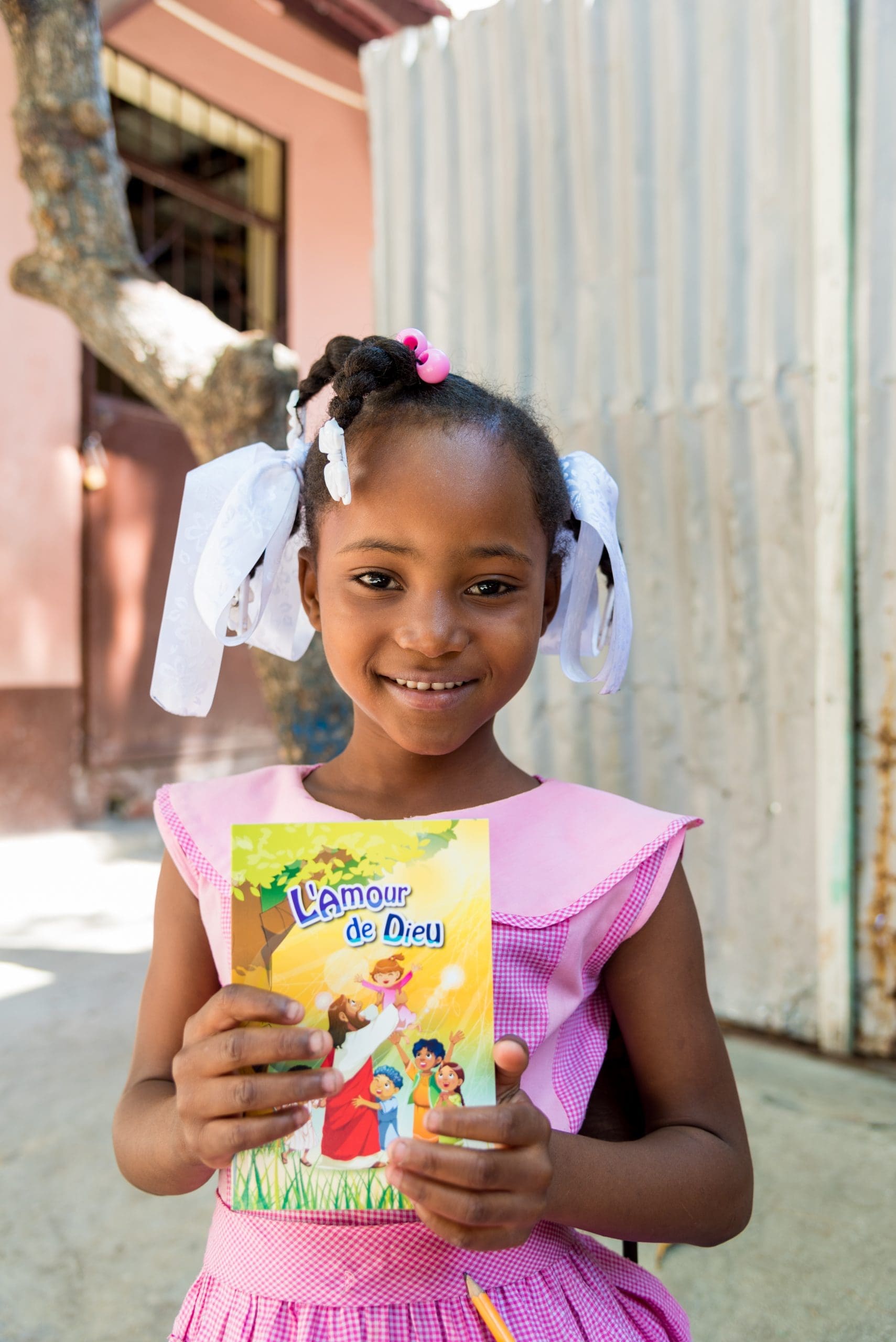
Senegal - Bible Society New Zealand

Senegal

Senegal has long been a crossroads of trade, culture, and migration. Ancient kingdoms such as Tekrur and Jolof thrived before European contact in the 15th century, when Portuguese, Dutch, and French traders arrived. The Atlantic slave trade profoundly shaped Senegal’s history, particularly through Gorée Island. France eventually established colonial control, making Senegal a key part of French West Africa. Independence came in 1960 under President Léopold Sédar Senghor. Christianity was brought firstly by the Portuguese, but later by French missionaries. Today, Senegal is a Muslim-majority country where only three per cent identify as Christian.

The Bible Society in Senegal is providing theological educational institutions with Hebrew and Greek texts and scholarly resources for seminarians and students.

China - Bible Society New Zealand

China

In the 20th century, China experienced a period of government upheaval beginning with the Chinese Revolution in 1911 and ending with the fall of mainland China to communism in 1949. During the Cultural Revolution (1966 – 1976), the Communist Red Guards persecuted Christians and destroyed church buildings.

In the 1980s, China lifted the ban on Christianity. In 1986, the Amity Foundation and the United Bible Societies (UBS) opened the Amity Printing Press in Nanjing. Since then, it has printed eighty-seven million Bibles for distribution Chinese Christians. Today, there are officially forty-six million Christians, but unofficially there are one hundred million Christians. The UBS China Partnership is working to bring free and subsidised Bibles to poor, rural Christians.

Algeria

Christianity in Algeria dates to the Roman era, when the region was home to influential Church Fathers such as Augustine of Hippo. The faith flourished until the Arab-Muslim conquest in the 7th century, after which Christian communities were diminished. Under French colonial rule (1830–1962), Catholicism was reintroduced, with churches, schools, and missions established. After independence, most European Christians departed, leaving a small minority.

In recent decades, Christianity has begun growing again, especially among Kabyle Berbers whose ancestors had been Christians. Many Algerian seekers turn to Christian TV programmes or Christian radio.

These programmes provide the Bible Society phone number at the end. This strategy is having a positive impact on the growth of Christianity in Algeria.
Right Now Media

The Book of Esther

Living with Purpose When God Seems Absent

God is always at work in the background, even when he seems silent. This powerful truth is evident in the book of Esther—a story of God’s providence and the preservation of his people during their exile in Persia. In this seven-session series, Rev. Dr. Danielle Brown will help us see that despite moral corruption, national chaos, and the emotional turmoil of the main characters, God will never abandon his people and is positioning us for a purpose bigger than we can imagine.


WATCH NOW


Haven’t activated your free RightNow Media subscription yet? Learn more here.
ionicons-v5-i

EMPTY HANDS

BIBLE POVERTY

ionicons-v5-f

EMPTY HEARTS

BIBLE ENGAGEMENT

ionicons-v5-h

EMPTY MINDS

BIBLE LITERACY